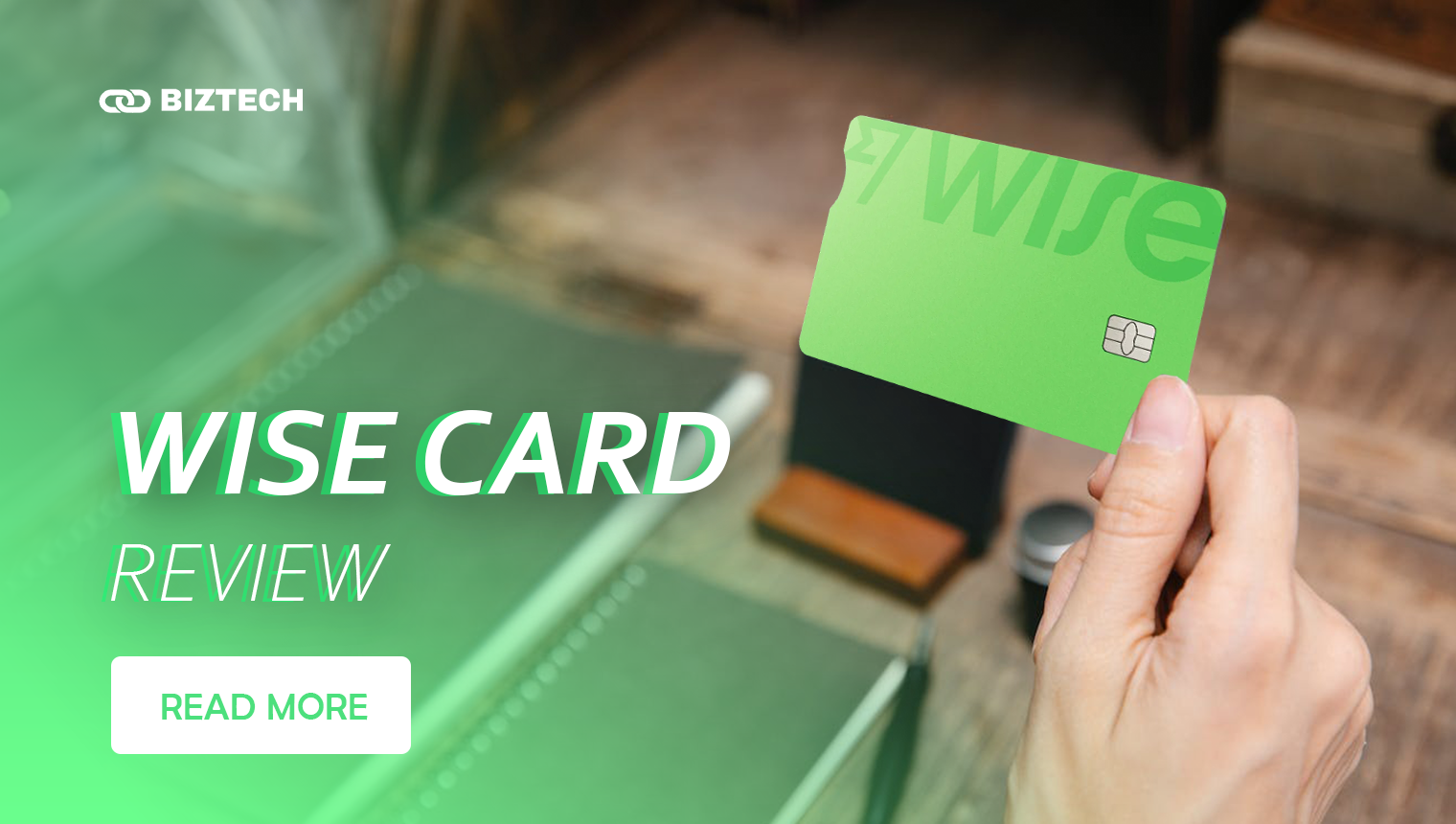
This Wise travel card review looks at whether the Wise Card is worth getting for Malaysians in 2026. The short answer: if you travel or shop in foreign currencies regularly, it is one of the cheapest ways to spend overseas — you get the mid-market exchange rate with conversion fees from 0.77%, no annual fee, and two free ATM withdrawals (up to RM1,000 in total) every month. It will not, however, earn you cashback or air miles, so most savvy Malaysians pair it with a rewards card. Here is the full breakdown — fees, limits, real costs, and how it compares to the alternatives.
- What is the Wise Travel Card?
- Wise Card Malaysia: At a Glance (2026)
- Who is the Wise Card for?
- Wise Card Fees in Malaysia (2026)
- How the ATM fee actually works — a worked example
- Wise Spending Limits
- Wise Card vs Malaysian Bank Cards
- Worked example: a RM5,000 trip to Japan
- Pros & Cons of the Wise Travel Card
- Pros
- Cons
- How to use the Wise Card
- Wise Virtual Card & App
- Is Wise safe to use in Malaysia?
- Wise Card alternatives in Malaysia
- How to decide: is the Wise Card worth it for you?
- Final thoughts on the Wise Card’s value
- Frequently Asked Questions
What is the Wise Travel Card?
The Wise Card is a Visa debit card linked to a Wise multi-currency account — not a credit card. Wise (formerly TransferWise) has offered accounts to Malaysian customers since 2021, and locally it operates as Wise Payments Malaysia Sdn. Bhd., licensed by Bank Negara Malaysia as a remittance, money-changing and e-money issuance business.
With the card in your wallet (or phone, via Apple Pay and Google Pay), you can:
- Spend in 150+ countries anywhere Visa is accepted, with no foreign transaction fee.
- Hold and convert 40+ currencies in one account at the mid-market exchange rate — the same rate you see on Google.
- Withdraw cash from overseas ATMs with a free monthly allowance.
- Get local account details for currencies like USD, GBP, EUR, AUD and SGD, so you can receive money from abroad like a local — useful for freelancers paid by overseas clients.
The key difference from a Malaysian bank card is the exchange rate. Banks typically add a 1%–3% margin (plus foreign transaction fees) on overseas spending. Wise charges the mid-market rate plus a small, visible conversion fee — you always see exactly what you pay.
Wise Card Malaysia: At a Glance (2026)
| Feature | Details (Malaysia, June 2026) |
| Card type | Visa debit, linked to Wise multi-currency account |
| Order fee | RM13.70 one-time (virtual card free) |
| Annual / monthly fee | None |
| Exchange rate | Mid-market rate, conversion fee from 0.77% |
| Foreign transaction fee | None (free to spend currency you already hold) |
| Free ATM withdrawals | 2 per month, up to RM1,000 total |
| Rewards / cashback | None |
| Regulator | Bank Negara Malaysia (e-money issuer — not PIDM-insured) |
Who is the Wise Card for?
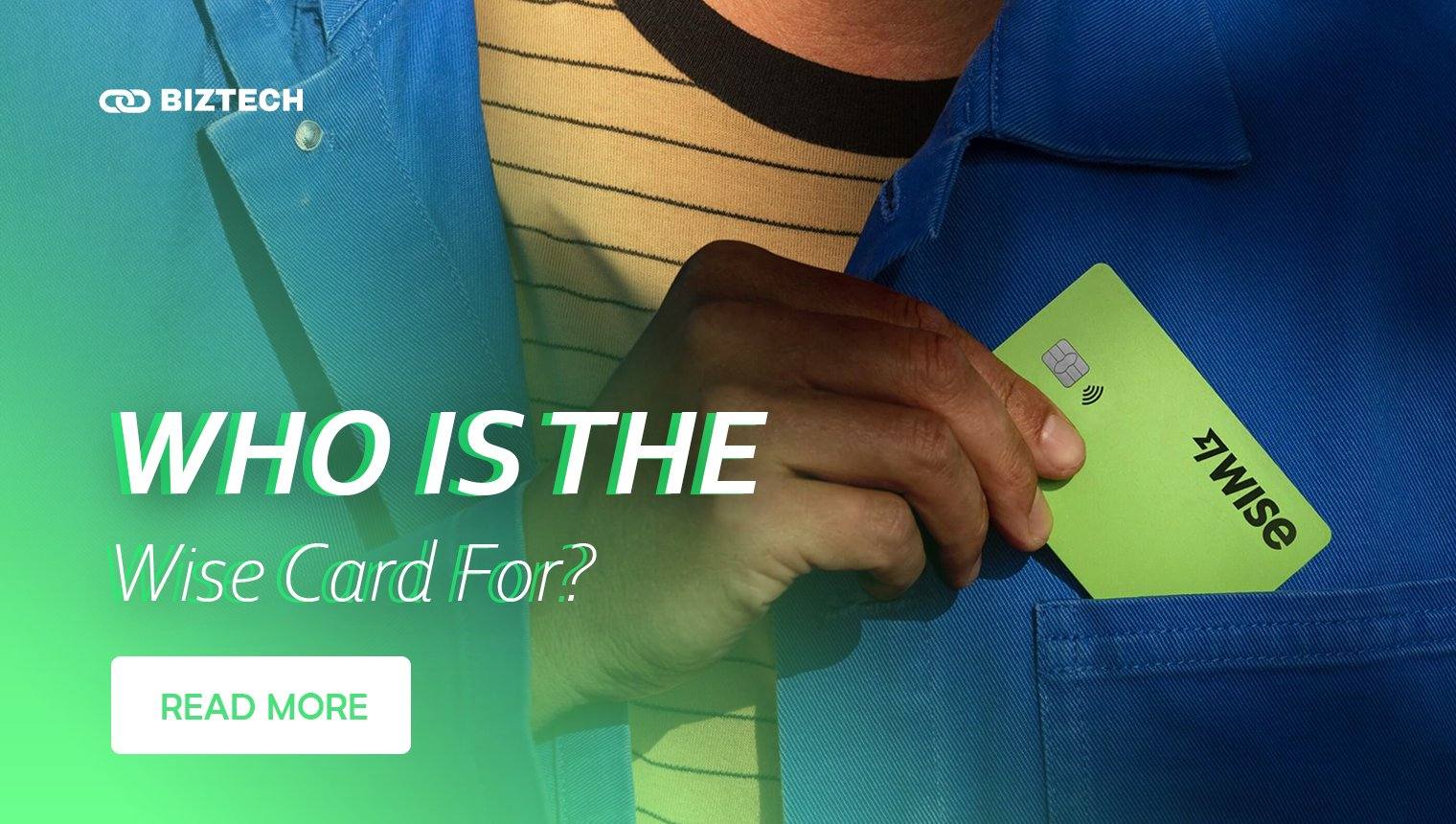
The Wise Card makes the most sense for Malaysians who regularly deal in foreign currencies. Frequent travellers save on every overseas meal, Grab ride and hotel bill because there is no bank FX markup. Online shoppers buying from US, UK, Japanese or Chinese sites in foreign currency avoid the 1%–3% their bank or e-wallet would quietly add. Freelancers and remote workers paid in USD, GBP, EUR, AUD or SGD can receive money using Wise’s local account details with no incoming fee, then spend it directly or convert to ringgit when the rate is favourable. Parents with children studying overseas also use it to fund a card the student can spend abroad without either side paying bank wire fees.
If you rarely leave Malaysia and almost never spend in foreign currency, the card adds little — a good cashback credit card or debit card will serve you better for ringgit spending.
Wise Card Fees in Malaysia (2026)
These are the current fees for Malaysian-issued Wise cards, verified against Wise’s official pricing page in June 2026:
| Fee Type | Details |
| Physical card order | RM13.70 one-time (no subscription) |
| Digital / virtual card | Free |
| Card replacement | RM13.70 (free if replacing an expired card) |
| Annual fee | None |
| Spending currency you hold | Free |
| Currency conversion | From 0.77%, at the mid-market rate |
| ATM withdrawals | First 2 per month free up to RM1,000 total; then RM5 per extra withdrawal + 1.75% of any amount above RM1,000 |
| Topping up external e-wallets | 2% (applies when using the card to top up e-wallets in certain currencies) |
A note on the 2026 fee restructure: Wise updated its ATM fee structure in many countries from 1 May 2026 (several markets moved to a single free allowance with a 2.69% excess fee). As of June 2026, the Malaysian pricing page still shows the structure above — 2 free withdrawals up to RM1,000, then RM5 + 1.75%. Always check the in-app fee screen before a big withdrawal, as structures can change with little notice.
How the ATM fee actually works — a worked example
Say you are in Bangkok and make three withdrawals in one calendar month totalling RM1,400 in baht:
- Withdrawals 1 and 2 (RM900 total): free — within both the 2-withdrawal and RM1,000 limits.
- Withdrawal 3 (RM500): RM5 fixed fee (third withdrawal) + 1.75% × RM400 (the amount above the RM1,000 monthly allowance) = RM5 + RM7 = RM12.
The practical tip: make fewer, larger withdrawals and keep total cash withdrawals near RM1,000 a month. Pay by card where you can — card spending has no Wise fee beyond conversion. Also, always decline the ATM’s own “convert to ringgit” offer (dynamic currency conversion) — choose to be charged in local currency so Wise’s rate applies, not the ATM operator’s marked-up rate.
Wise Spending Limits
Malaysian-issued Wise cards come with default limits which you can adjust in the app (Cards → Limits). Indicative limits are below — confirm your own in the app, as Wise sets them per account:
| Limit Type | Default (Malaysia) |
| Monthly ATM withdrawal limit | RM23,000 |
| Monthly spending limit | RM170,000 |
| Daily limits | Initially set equal to monthly; adjustable downward for security |
Wise Card vs Malaysian Bank Cards
| Feature | Wise Card | Typical Malaysian Bank Card |
| Exchange rate | Mid-market rate, no markup | Bank rate with built-in margin (often 1%–3%) |
| Foreign transaction fee | None (conversion from 0.77%) | Typically ~1% on debit cards, up to ~3% all-in on credit cards |
| Overseas ATM withdrawals | Free within limits, then RM5 + 1.75% | Fixed fees commonly RM10–RM15 per withdrawal, plus FX margin |
| Rewards | None | Cashback, points or air miles, depending on card |
| Deposit protection | Funds safeguarded; not PIDM-insured | Bank deposits PIDM-protected up to RM250,000 |
Worked example: a RM5,000 trip to Japan
Suppose you spend RM5,000 on a Japan holiday — RM4,000 on card payments and RM1,000 in cash withdrawals.
- With a typical bank card (~2.5% all-in FX cost + two RM12 ATM fees): roughly RM149 in fees.
- With the Wise Card (0.77% conversion on RM5,000, ATM withdrawals within the free allowance): roughly RM39.
That is about RM110 saved on one trip — more than enough to cover the RM13.70 card fee many times over. The gap widens the more you travel. The counter-argument: a strong travel credit card earning air miles on that RM4,000 of spending could claw back some of the difference in rewards value — which is why the two work best together rather than as either/or.
Pros & Cons of the Wise Travel Card
Pros
- Mid-market exchange rate: no hidden FX margin — conversion fees from 0.77% are shown upfront before you confirm.
- Multi-currency account: hold 40+ currencies, convert when rates are favourable, and spend without per-transaction conversion if you already hold the currency.
- Free ATM allowance: 2 withdrawals up to RM1,000/month at no Wise fee, with no cash-advance charge.
- Instant virtual card: free, usable immediately for online purchases and Apple Pay/Google Pay while the physical card is in the post.
- Strong security: two-factor authentication, instant freeze/unfreeze in the app, real-time notifications and disposable virtual card numbers.
- BNM-regulated: Wise Payments Malaysia is licensed by Bank Negara Malaysia, with customer funds safeguarded separately from Wise’s own money.
Cons
- No rewards: no cashback, points or miles — a deliberate trade-off for lower FX costs.
- Fees beyond the ATM allowance: RM5 + 1.75% adds up if you are cash-heavy in countries like Japan or Vietnam.
- 2% e-wallet top-up fee: using the card to top up certain e-wallets now costs 2%, so it is a poor funding source for Touch ‘n Go and similar wallets.
- Not PIDM-insured: as e-money, balances are safeguarded but do not carry PIDM deposit insurance — keep your savings in a proper savings account and treat Wise as a spending wallet.
- Occasional verification holds: a minority of users report temporary account freezes during compliance checks, which can be inconvenient mid-trip.
Reputation note
Wise holds an “Excellent” Trustpilot rating of around 4.6 out of 5 from over 200,000 reviews as of 2026. Most complaints centre on verification delays and customer-service response times rather than hidden costs — worth knowing, but a small fraction of overall users.
How to use the Wise Card
Here is the typical flow for a Malaysian user, from sign-up to spending abroad:
1. Set up your Wise account
Register on the Wise app or website with your email, then verify your identity with your MyKad or passport (non-citizens also need a valid visa or pass). Verification is usually completed within a day or two.
2. Top up in ringgit
Add MYR via local bank transfer (DuitNow/FPX). Your money sits in your MYR balance until you convert or spend it.
3. Convert — or let auto-convert handle it
You can convert MYR to yen, baht, dollars or any of 40+ currencies in advance — handy when the ringgit is strong — or simply spend, and Wise auto-converts at the moment of purchase using the lowest available fee. The app’s rate tracker can alert you when your target currency hits a level you like.
4. Spend in local currency, always
At overseas terminals and ATMs, always choose to pay in the local currency, never in ringgit. Choosing MYR triggers dynamic currency conversion, where the merchant’s bank sets a marked-up rate and Wise’s advantage is lost.
5. Track everything in the app
Every transaction shows the exact exchange rate and fee applied, in real time — useful for keeping a holiday budget honest.
Wise Virtual Card & App
Every Wise account holder can generate a free virtual card instantly, even before the physical card arrives (allow up to 5 working days for delivery in Malaysia). The virtual card has its own number, which you can delete and regenerate after risky online purchases — a genuine security advantage over typing your main card number into unfamiliar websites. The app also lets you set custom spending limits, freeze and unfreeze the card instantly, and manage multiple virtual cards for budgeting (one for subscriptions, one for shopping, and so on).
Is Wise safe to use in Malaysia?
Wise Payments Malaysia Sdn. Bhd. is regulated by Bank Negara Malaysia as a licensed remittance, money-changing and e-money issuance business, and customer funds are held in safeguarded accounts separate from the company’s operating money. The important nuance: safeguarding is not the same as PIDM deposit insurance. If you want government-backed protection up to RM250,000, that only applies to deposits at PIDM member banks — see the PIDM website for details. The sensible setup is to keep your emergency fund and savings in a bank, and move money to Wise as you need it for travel and foreign spending.
Wise Card alternatives in Malaysia
The Wise Card no longer has the travel-money space to itself. Malaysia’s digital banks now offer debit cards with zero FX markup pitches and even cashback on overseas spending — GXBank’s debit card earns cashback on overseas transactions, and Ryt Bank has run aggressive zero-FX-fee promotions. BigPay remains a popular prepaid option, though its rates are generally less favourable than Wise’s mid-market pricing. The trade-offs: digital bank promos tend to be time-limited and can be withdrawn, while Wise’s pricing model is permanent and transparent; on the other hand, the digital banks are PIDM-protected deposit-takers and pay interest on balances, which Wise does not.
For a full comparison of these options, see our guide to the best debit cards in Malaysia. And if your priority is earning rewards on travel spending rather than minimising FX cost, start with the best travel credit cards or the broader best credit cards in Malaysia guide.
How to decide: is the Wise Card worth it for you?
A simple framework:
- You travel 2+ times a year or shop in foreign currency monthly: yes — the FX savings alone outweigh the RM13.70 cost almost immediately.
- You are paid by overseas clients: yes — the receiving accounts plus card make it a near-complete cross-border banking substitute.
- You travel occasionally and value rewards: get both — use a travel credit card for big bookings (flights, hotels) to earn miles and enjoy purchase protection, and the Wise Card for cash withdrawals and small overseas spending.
- You rarely spend in foreign currency: skip it — a good cashback card earns you more on ringgit spending.
Final thoughts on the Wise Card’s value
For Malaysians who travel or transact internationally, the Wise Card remains one of the cheapest, most transparent ways to spend foreign currency in 2026: mid-market rates, conversion from 0.77%, a useful free ATM allowance, and no annual fee. Its weaknesses — no rewards, post-allowance ATM fees, no PIDM cover — are real but manageable with the right pairing. Used alongside a rewards credit card and a proper savings account, it earns a permanent place in a Malaysian traveller’s wallet.
Figures verified June 2026 against Wise’s official Malaysian pricing page. Fees and limits can change — confirm with Wise before ordering.
Frequently Asked Questions
**Disclaimer
This article is published by KayaToday for general guidance only and does not constitute financial advice. Fees, rates and limits are accurate as of June 2026 but can change — always confirm with the official Wise website before making financial decisions.