[su_box title=”Key Takeaways” box_color=”#000877″ title_color=”#ffffff” radius=”6″]
- Best Growth Stocks to Buy for the Long Term
- 10 Top Growth Stocks to Buy for the Long Term
- 1. Eli Lilly and Company (NYSE: LLY)
- 2. Salesforce.com, Inc. (NYSE:CRM)
- 3. Visa Inc. (NYSE: V)
- 4. Advanced Micro Devices, Inc. (NASDAQ:AMD)
- 5. Mastercard Incorporated (NYSE:MA)
- 6. Microsoft (NASDAQ: MSFT)
- 7. AstraZeneca (NASDAQ: AZN)
- 8. Experian (LSE:EXPN)
- 9. JPMorgan Chase & Co. (NYSE:JPM)
- 10. Tesla Inc. (NYSE:TSLA)
- Key Factors to Consider When Choosing Long-Term Growth Stocks
- 1. Industry trends: Focus on High-Growth Trends
- 2. Company Fundamental
- 3. Management strength – Look for A Strong Leadership Team
- 4. Financial Health
- 5. Valuation – Evaluating the Right Price for Future Growth
- Risks Associated with Growth Stocks
- Additional Tips for Long-Term Growth Stock Investing
- How to Buy These Growth Stocks from Malaysia or Singapore
- Frequently Asked Questions
- Conclusion
- Growth stocks target companies with above-average revenue and earnings growth — higher potential returns, but more volatility.
- The strongest long-term tailwinds right now: artificial intelligence, digital payments and next-generation healthcare (GLP-1 drugs).
- Favour firms with durable competitive moats, strong balance sheets and capable management.
- Hold for the long term (5+ years), diversify across sectors, and dollar-cost average to smooth out the swings.
- Investors in Malaysia and Singapore can buy every stock here through a broker with U.S.-market access.
[/su_box]
Best Growth Stocks to Buy for the Long Term
Have you ever looked at the stock market and dreamt of bigger returns? The best growth stocks — companies expected to grow revenue and earnings far faster than the market — are how many long-term investors chase that goal.
These are the potential Amazons and Apples of the next decade: businesses riding powerful, durable trends such as artificial intelligence, digital payments and next-generation healthcare.
Growth kept its crown in 2025. The S&P 500 delivered a total return of roughly 18%, and the largest technology companies alone drove more than half of that gain as AI spending accelerated. The index has added around another 10% in the first half of 2026 — though stretched valuations mean the ride has stayed bumpy.
Growth stocks are famously volatile: their prices can swing hard in both directions. To ride out those swings and actually capture the compounding, a long time horizon (think five years or more) is essential. If you are just getting started, our guide on how to invest in stocks covers the basics, and you can pair these picks with steadier long-term stocks to buy and hold.
Below are 10 growth stocks worth researching for the long term — with a quick comparison table, verified July 2026 figures and a framework for choosing your own. Prices and market caps were verified in early July 2026 and move constantly; always confirm the latest with your broker before investing.
10 Top Growth Stocks to Buy for the Long Term
| # | Company (Ticker) | Recent price* | Market cap* | Sector | Key growth driver |
|---|---|---|---|---|---|
| 1 | Eli Lilly (LLY) | ~US$1,215 | ~US$1.1T | Healthcare / GLP-1 | Weight-loss drugs; oral pill orforglipron |
| 2 | Salesforce (CRM) | ~US$166 | ~US$140B | Enterprise software | Agentforce AI agents on top of CRM |
| 3 | Visa (V) | ~US$348 | ~US$690B | Payments | Cash-to-digital shift, cross-border flows |
| 4 | AMD (AMD) | ~US$515 | ~US$850B | Semiconductors | MI400 AI accelerators; OpenAI & Meta deals |
| 5 | Mastercard (MA) | ~US$532 | ~US$470B | Payments | Digital payments + value-added services |
| 6 | Microsoft (MSFT) | ~US$385 | ~US$2.85T | Software / cloud / AI | Azure +40%; AI run-rate >US$37B |
| 7 | AstraZeneca (AZN) | ~US$190 | ~US$295B | Pharmaceuticals | Deep oncology pipeline |
| 8 | Experian (EXPN) | ~2,640p | ~£24–32B | Credit data / analytics | Data, analytics, fraud & AI decisioning |
| 9 | JPMorgan Chase (JPM) | ~US$331 | ~US$890B | Banking / financials | Scale, fortress balance sheet, high ROE |
| 10 | Tesla (TSLA) | ~US$394 | ~US$1.5T | EV / AI / energy | Robotaxi, Optimus, energy storage |
*Prices and market caps verified early July 2026 and rounded. Experian trades in London pence (GBX); the rest in US dollars. Figures change daily — confirm with your broker.
1. Eli Lilly and Company (NYSE: LLY)
About the Company:
- Industry: Pharmaceutical
- Description: Eli Lilly and Company, headquartered in Indianapolis, Indiana, is a pharmaceutical firm. The company specializes in offering drugs for clinical depression, weight loss, and various other human pharmaceuticals.
Financial Snapshot & Growth Outlook (verified early July 2026):
- Recent share price: around US$1,215, for a market capitalisation of roughly US$1.1 trillion — the most valuable healthcare company in the world.
- Key growth driver: the GLP-1 weight-loss and diabetes franchise (Mounjaro and Zepbound), plus orforglipron (brand name Foundayo), the first oral GLP-1 pill, which won U.S. FDA approval in April 2026 and opens treatment to the many patients who prefer a tablet to an injection.
- Why long-term investors like it: a multi-year runway across obesity, diabetes and Alzheimer’s (donanemab/Kisunla), backed by heavy R&D and manufacturing expansion.
- Watch-outs: a premium valuation and rising competition from Novo Nordisk mean the shares can be volatile around trial and pricing news.
2. Salesforce.com, Inc. (NYSE:CRM)
About the Company:
- Industry: Software
- Description: Salesforce.com, Inc. (NYSE:CRM) is an application software company based in San Francisco, California.
They are a leader in customer relationship management (CRM) technology and offer marketing services that allow businesses to plan, personalize, automate, and optimize customer marketing journeys.
Financial Snapshot & Growth Outlook (verified early July 2026):
- Recent share price: around US$166, for a market cap of roughly US$135–160 billion — well below its December 2024 peak above US$360.
- Key growth driver: Agentforce, Salesforce’s push into autonomous AI “agents,” layered on top of its dominant CRM, Data Cloud and Slack platforms.
- Why long-term investors like it: after a sharp de-rating it has become more of a “growth at a reasonable price” story — expanding margins, strong free cash flow and sizeable buybacks.
- Watch-outs: slower seat growth and questions over how quickly AI features convert into revenue.
3. Visa Inc. (NYSE: V)
About the Company:
Industry: Payment-processing
Description: Visa Inc. is a global transaction and payment processing services company. It provides a network that enables authorization, clearing, and settlement of payment transactions.
Financial Snapshot & Growth Outlook (verified early July 2026):
- Recent share price: around US$348, for a market cap of roughly US$690 billion.
- Key growth driver: the structural shift from cash to digital payments worldwide, cross-border travel spending and new money-movement flows (Visa Direct, tokenisation).
- Why long-term investors like it: a wide-moat “toll booth” on global commerce with very high margins and reliable double-digit earnings growth.
- Watch-outs: regulatory scrutiny of interchange fees and competition from real-time payment rails.
4. Advanced Micro Devices, Inc. (NASDAQ:AMD)
About the Company:
- Industry: Semiconductor
- Description: Advanced Micro Devices, Inc. (AMD) is a leading innovator in the semiconductor industry, based in Santa Clara, California.
The company operates in three primary segments:
- Data Center: Provides high-performance processors for cloud computing and enterprise applications.
- Client Gaming: Delivers powerful graphics processing units (GPUs) for the gaming market.
- Embedded: Develops processors for various embedded applications, including industrial and automotive uses.
Financial Snapshot & Growth Outlook (verified early July 2026):
- Recent share price: around US$515, for a market cap of roughly US$850 billion.
- Key growth driver: data-centre AI accelerators — the new Instinct MI400 series and “Helios” rack systems, underpinned by multi-year, multi-gigawatt commitments from OpenAI and Meta.
- Why long-term investors like it: the clearest challenger to Nvidia in AI compute, plus continued server-CPU (EPYC) share gains.
- Watch-outs: execution against Nvidia’s ecosystem and a valuation that already prices in rapid AI growth. See our deeper dive on the best semiconductor stocks.
5. Mastercard Incorporated (NYSE:MA)
About The Company:
- Industry: Payment-processing
- Description: Mastercard Incorporated (NYSE: MA) is a global giant in the transaction and payment processing industry.
Headquartered in Purchase, New York, they offer a wide range of integrated products and value-added services for various players in the financial ecosystem, including account holders, merchants, financial institutions, digital partners, and businesses.
Financial Snapshot & Growth Outlook (verified early July 2026):
- Recent share price: around US$532, for a market cap of roughly US$470 billion.
- Key growth driver: the same cash-to-digital tailwind as Visa, plus a fast-growing value-added services arm (cyber-security, data analytics and consulting).
- Why long-term investors like it: the average 12-month analyst price target sits near US$644, and the company keeps compounding earnings at a mid-teens rate.
- Watch-outs: a premium valuation and the same regulatory and real-time-payments risks that face Visa.
6. Microsoft (NASDAQ: MSFT)
About the Company:
- Industry: Software – Infrastructure
- Description: Microsoft is a household name and a titan in the software industry. They are one of the leading providers of cloud computing solutions through their Azure platform, offering a wide range of infrastructure and platform-as-a-service solutions.
Microsoft has also established itself as a leader in artificial intelligence through its investments in OpenAI.
Financial Snapshot & Growth Outlook (verified early July 2026):
- Recent share price: around US$385, for a market cap of roughly US$2.85 trillion — one of the three most valuable companies on earth.
- Key growth driver: Azure grew about 40% year-on-year in the March 2026 quarter (past a US$75 billion annual run-rate), while Microsoft’s AI business run-rate topped US$37 billion (up more than 120%) and Copilot passed 20 million paid seats (Microsoft IR).
- Why long-term investors like it: a rare mix of scale, recurring software revenue, a fortress balance sheet and a leading position in enterprise AI.
- Watch-outs: record AI capital spending (well over US$100 billion a year) that must eventually earn its return.
7. AstraZeneca (NASDAQ: AZN)
About the Company:
- Industry: Drug Manufacturers – General
- Description: AstraZeneca is a pharmaceutical giant leading the way in drug development. They boast one of the strongest pipelines within the industry, with several promising drugs in the final stages of development that have the potential to become major blockbusters in their respective markets.
Financial Snapshot & Growth Outlook (verified early July 2026):
- Recent share price: around US$190 for the U.S.-listed shares, for a market cap of roughly US$290–300 billion.
- Key growth driver: one of the deepest oncology pipelines in pharma, alongside rare-disease and cardiovascular franchises; management targets around US$80 billion of revenue by 2030.
- Why long-term investors like it: a broad, diversified pipeline that reduces reliance on any single drug.
- Watch-outs: patent expiries and clinical-trial outcomes can move the shares sharply.
8. Experian (LSE:EXPN)
About the Company:
- Industry: Consulting Services (Credit Reporting)
- Description: Experian is a leading global credit bureau, playing a vital role in the financial services industry. They provide credit information and analytics to businesses and consumers, helping assess creditworthiness and manage risk.
Financial Snapshot & Growth Outlook (verified early July 2026):
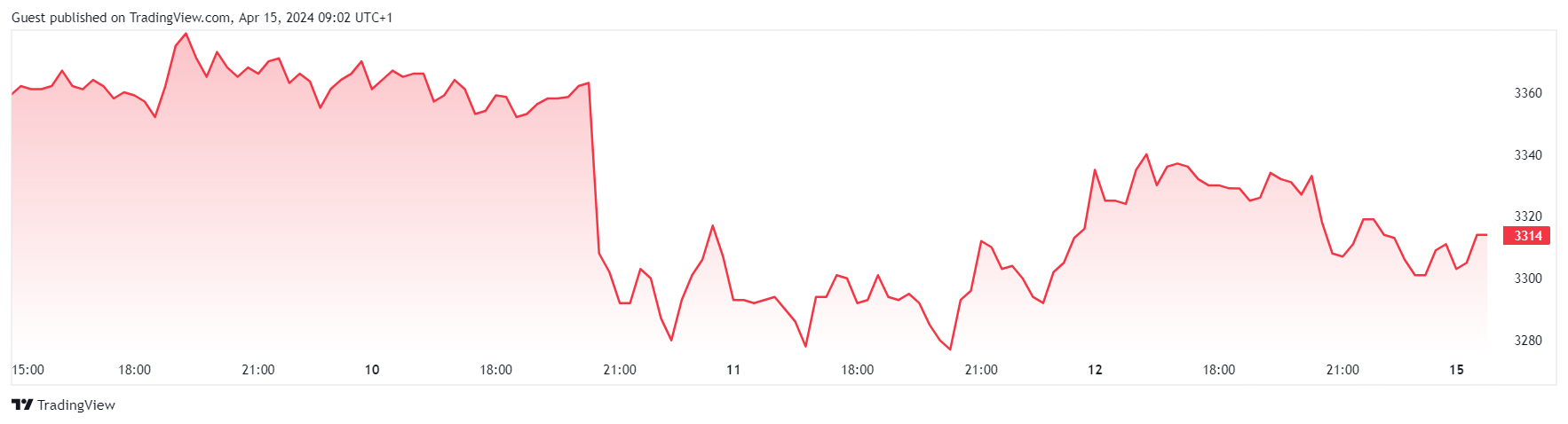
- Recent share price: around 2,640 pence on the London Stock Exchange, making Experian one of the larger FTSE 100 constituents (market cap in the region of £24–32 billion).
- Key growth driver: global credit data and analytics, expanding into consumer services, fraud prevention and AI-driven decisioning.
- Why long-term investors like it: recurring, data-rich revenue with mid-to-high single-digit growth and strong margins.
- Watch-outs: sensitivity to lending cycles and to tightening data-privacy regulation.
9. JPMorgan Chase & Co. (NYSE:JPM)
About the Company:
- Industry: Financial Services – Banks
- Description: JPMorgan Chase & Co. (JPM) is a titan of the financial services industry, ranking as one of the world’s largest banks with more than US$4 trillion in assets.
They offer a comprehensive banking and financial services suite to individuals and businesses globally.
JPMorgan is known for its stability and leadership within the banking sector, having played a key role in acquiring First Republic Bank during the 2023 U.S. regional banking crisis.
Financial Snapshot & Growth Outlook (verified early July 2026):
- Recent share price: around US$331, near its record high, for a market cap of roughly US$890 billion — the world’s most valuable bank.
- Key growth driver: scale across consumer banking, cards, investment banking and asset management, with more than US$4 trillion in assets and best-in-class returns on equity.
- Why long-term investors like it: a “fortress balance sheet,” disciplined risk management and steady dividends and buybacks — a lower-beta way to own growth.
- Watch-outs: banks are cyclical, so a sharp recession or credit shock would pressure earnings.
10. Tesla Inc. (NYSE:TSLA)
About the Company:
- Industry: Electric Vehicles (EVs)
- Description: Tesla Inc. (TSLA) is a pioneer and undisputed leader in the electric vehicle (EV) market. They design, manufacture, and sell electric cars, battery energy storage from home to utility-scale, solar panels and solar roof tiles, and related products and services.
Financial Snapshot & Growth Outlook (verified early July 2026):
- Recent share price: around US$394, for a market cap of roughly US$1.5 trillion.
- Key growth driver: the bet has shifted from cars alone to autonomy and AI — robotaxi/Full Self-Driving, the Optimus humanoid robot and fast-growing energy storage.
- Why long-term investors like it: optionality on several enormous markets if execution delivers.
- Watch-outs: an extremely high P/E (well over 300), soft EV delivery growth and heavy reliance on unproven future products make Tesla the most speculative name on this list.
Key Factors to Consider When Choosing Long-Term Growth Stocks
1. Industry trends: Focus on High-Growth Trends
Successful best-growth stock investment is about identifying industries with long-term tailwinds, meaning these sectors are expected to experience sustained growth over a significant period. These tailwinds can be fueled by various forces:
A. Technological Advancements
Think artificial intelligence, cloud computing, and robotics. Companies at the forefront of these disruptions are prime candidates for explosive growth.
B. Demographic Shifts
An aging population or rising middle class in certain regions can create massive new markets for innovative products and services.
C. Evolving Consumer Preferences
The ever-changing desires of consumers can open doors for companies that cater to these shifts, like the rise of sustainable or personalized products.
By aligning yourself with industries experiencing these powerful tailwinds, you position yourself to benefit from the overall growth of the sector, potentially propelling your chosen growth stocks forward.
2. Company Fundamental
Now, let us delve into the intricacies of the companies themselves. It is important not to be swayed by flashy marketing or hype.
Here are the financial fundamentals that distinguish enduring winners from transient trends:
A. Revenue Growth
What it means: When a company’s total revenue keeps growing steadily, the business is expanding and gaining more customers. It is even better if this best growth stock picks up speed over time.
Why it is important: Revenue increases indicate that the company is doing well in attracting more customers, broadening its products, or entering new markets. Essentially, it tells us the company is heading in the right direction with a solid business plan, which will make it one of the best-performing stocks.
B. Profitability
What it means: Just seeing high revenue isn’t enough; when researching the best-performing stocks to invest in, we should also look for companies that turn that revenue into profits.
A helpful measure for this is Earnings Before Interest, Taxes, Depreciation, and Amortization (EBITDA), which shows a company is profitability before considering financing and accounting factors.
Why it is important: Profitability shows whether a company can consistently earn money. Those that can turn revenue into profit are better equipped to invest in growth, reward shareholders with dividends, and withstand economic challenges.
C. Market Share Dominance
What it means: Having a significant market share means a company leads its industry or niche. This gives it power over pricing, influences industry trends, and benefits from efficiencies due to its size.
Why it is important: A strong market share suggests the company has a solid brand, loyal customers, and runs efficiently. This positions it well for future success in its market.
Additional Fundamentals to Consider
Apart from these key points, it’s essential to look at:
D. Debt Management: Companies with a lot of debt can be risky. It is better to invest in companies with manageable debt levels and a healthy debt-to-equity ratio.
3. Management strength – Look for A Strong Leadership Team
A strong and experienced leadership team is like a skilled captain guiding a ship. Here is what to think about when you are looking at the people in charge:
A. Track Record
Check if the leaders have a history of success, especially in the same field or if they really understand the company’s main business well.
B. Getting Things Done
Having good ideas is just the beginning. The leaders should be able to turn those ideas into a successful business.
C. Focus on New Ideas
Being excited about new ideas is important for growing in the long term.
Look for leaders who care about trying new things and making the company better through research and development.
Note: While it is important to know if the leaders have done well in the past, don’t ignore new companies with great leaders. These companies might not have a long history yet, but they could still have fantastic leaders with big ideas for the future.
Some good examples of strong leadership in growth companies across different industries:
Elon Musk (Tesla, SpaceX): Musk’s relentless pursuit of innovation has revolutionized the electric vehicle industry with Tesla and propelled SpaceX to the forefront of space exploration. His ability to inspire his teams fuels the relentless drive towards the seemingly impossible.
Satya Nadella (Microsoft): When Microsoft faced a crossroads, Nadella took the reins and spearheaded a remarkable turnaround. He recognized the shift in the technological landscape and steered the company towards cloud computing (Azure) and artificial intelligence, solidifying Microsoft’s position as a dominant tech leader once again.
Marc Benioff (Salesforce): A true pioneer, Benioff didn’t just create a cloud-based CRM software company – he redefined customer relationship management. His unwavering focus on customer success, coupled with a strong company culture, has been the engine propelling Salesforce’s explosive growth.
Reed Hastings & Ted Sarandos (Netflix): This dynamic duo didn’t just disrupt the entertainment industry, they redefined it. They transformed Netflix from a humble DVD rental service into a global streaming giant. Their willingness to take calculated risks and embrace new technologies continues to be the key to Netflix’s dominance in the streaming wars.
Su Bae Kim (PayPal): At the forefront of the digital payments revolution, Kim transformed PayPal from a niche online auction payment processor into a major player in the global financial services industry. Her focus on innovation and expanding into new markets like mobile payments has fueled PayPal’s impressive growth trajectory.
4. Financial Health
Financial health is the engine that propels a company forward. Here’s what to examine when looking for the best performing stocks.
A. Debt Levels
Excessive debt can restrict a company’s ability to invest in future growth initiatives. Look for companies with manageable debt levels or a clear plan for debt reduction on the short-term debt and long-term debt.
Some financial metrics to look into are:
- Debt-to-equity ratio
- Interest coverage
- Debt-to-EBITA ratio
- Current Ratio
B. Cash Flow
A strong and consistent cash flow provides the financial runway for future investments in research and development, marketing, and expansion. A company with good cash flow can indicate it is a top growth stock to buy now too.
Companies with robust cash flow are better equipped to navigate economic downturns and seize new opportunities.
I suggest that you look at the Cash Flow Statement for better understanding, which consists of three main sections:
- Cash Flow from Operating Activities
This section focuses on cash generated or used in the company’s core business activities, including cash received from customers, payments to suppliers, and salaries/wages.
-
Cash Flow from Investing Activities:
Tracks cash flow related to the company’s investments, such as spending on property, plant, and equipment, proceeds from selling investments, and cash used for acquisitions.
-
Cash Flow from Financing Activities:
This section deals with cash flow from the company’s financing sources, including proceeds from issuing debt, repayment of debt principal, and dividend payments to shareholders.
5. Valuation – Evaluating the Right Price for Future Growth
Growth stocks often have a higher price tag than their current earnings.
While you want to catch onto a future star, it’s important not to pay too much. Here’s how to figure out if the price is right:
A. Price-to-Earnings Ratio (P/E Ratio)
This measure compares a company’s stock price to its earnings per share.
A higher P/E ratio means the market is ready to pay more for the company’s potential growth. But if the P/E ratio is too high, it could mean the stock is too expensive.
B. Price-to-Earnings Growth Ratio (PEG Ratio)
This takes the P/E ratio a step further by considering the company’s earnings growth rate.
A lower PEG ratio indicates that the stock price reflects the company’s future earnings potential more accurately.
By looking at these important factors, you can see beyond the excitement and find growth stocks with the potential to become major players in the future.
Just remember, it’s crucial to do your own thorough research before investing in any stock.
Risks Associated with Growth Stocks
While the allure of growth stocks’ potential rewards is undeniable, it’s imperative to acknowledge the inherent risks they entail even though it may be the best-performing stock at the moment:
A. Volatility:
Growth stocks are notorious for their sharp price fluctuations.
Unlike established firms with predictable earnings, growth stocks can undergo significant swings, rendering them less suitable for risk-averse investors.
B. Unproven Track Record:
Some high-growth companies are young and promising, brimming with potential. However, this also means they may lack an extensive history of success.
Without a proven track record of sustained growth and profitability, evaluating their long-term viability becomes challenging.
C. Market Sensitivity:
Growth stocks are often perceived as “fair-weather” investments. They typically outperform the market during bullish phases, driven by investor optimism.
However, growth stocks can be particularly vulnerable during market downturns or economic uncertainty. Investor sentiment can sour swiftly, resulting in sharp price declines.
Additional Tips for Long-Term Growth Stock Investing
Beyond the pivotal factors mentioned earlier, here are some crucial considerations for fostering successful long-term growth stock investment:
A. Diversification:
To hedge against risk, diversifying your portfolio across various growth stocks spanning different industries is vital.
This strategy helps spread risk and mitigates the impact of any single company’s underperformance.
B. Dollar-Cost Averaging (DCA):
Given the inevitability of market fluctuations, employing a strategy like dollar-cost averaging proves beneficial.
This method entails investing a fixed sum of money at regular intervals, regardless of prevailing stock prices.
By doing so, it helps smooth out the cost per share over time, potentially cushioning the effects of short-term market volatility.
An example to give you a clear idea on how DCA works:
Let’s say you are a Meta (META) fan but don’t enjoy its stock price rollercoaster. Dollar-cost averaging (DCA) offers a solution by allowing you to invest a fixed amount, like $100, every month.
- Month 1: Meta’s stock is $200, so you buy 0.5 shares ($100 divided by $200).
- Month 2: The price drops to $150, enabling you to purchase 0.67 shares with your $100.
- Month 3: The stock surges to $250, and you acquire 0.4 shares.
Over the three months, you’ve invested $300 but now own 1.57 shares. If the average price remained $200, your investment would be $314 (1.57 shares multiplied by $200).
DCA allows you to potentially accumulate more shares when prices are low, averaging your cost per share.
C. Patience:
As growth is inherently a long-term pursuit, exercising patience is paramount in successful growth stock investment, even if you have a portfolio of the best-performing stocks.
Resist the urge to react impulsively to short-term price swings.
Instead, maintain a long-term investment perspective, focusing on the fundamental strengths and enduring growth prospects of the companies in your portfolio.
If you are looking to have a better management of your emotions, take a look at these few books on behavioural finance:
- Irrational Exuberance by Robert Shiller
- The Emotionally Intelligent Investor by Ravee Mehta
- The Psychology of Money by Morgan Housel
How to Buy These Growth Stocks from Malaysia or Singapore
Every stock on this list trades on U.S. or U.K. exchanges, and investors in Malaysia and Singapore can access them easily:
- Open a broker with global access. International platforms and apps (Interactive Brokers, Moomoo, Tiger, Webull and others) let you buy U.S. shares directly. Compare fees and features in our guide to the best share-trading platforms in Malaysia.
- Use fractional shares. Pricey names like Eli Lilly (over US$1,000 a share) are far easier to own in fractions, so you can start small and dollar-cost average.
- Mind FX and withholding tax. You will convert MYR or SGD into USD, and U.S. dividends are generally subject to a 30% withholding tax for foreign investors — a bigger issue for income stocks than for these growth names.
- Consider an ETF wrapper. If picking single stocks feels daunting, a diversified fund can give similar exposure — see our list of the best long-term growth ETFs.
Frequently Asked Questions
Conclusion
In summary, the allure of the best growth stocks lies in their potential for long-term benefits, presenting opportunities for substantial returns and portfolio expansion. Nonetheless, it is imperative for investors to exercise caution and diligence in their approach.
Thorough research, meticulous assessment of risk factors, and seeking expert financial guidance are pivotal steps in navigating the investment landscape successfully.
By remaining informed and making informed decisions, investors can position themselves to leverage the growth potential of best performing stocks while mitigating risks and advancing towards their financial objectives.
Read also:
- Top AI Stocks to Buy Right Now
- Investing in Artificial Intelligence: Exploring Top AI ETFs
- 10 Best Long-Term Stocks to Buy and Hold
- 9 Best Blue-Chip Dividend Stocks in Malaysia
Disclaimer: This KayaToday guide is for educational and informational purposes only and is not financial advice. All prices, market caps and company figures were verified in early July 2026 and will change — always confirm the latest data and suitability with your broker or a licensed financial professional before investing. Investing carries risk, and past performance does not guarantee future results.