
Day trading has come roaring back in 2026. With AI megacaps, crypto proxies and energy names all posting outsized daily swings, the market is once again offering the two ingredients intraday traders live for: high volatility and deep liquidity. The catch is that the same movement that creates opportunity can wipe out an account in minutes, so picking the right stocks — and managing risk ruthlessly — matters more than ever.
- Heard of Day Trading, But What Is It?
- How to Choose the Right Stocks for Day Trading (2026 Framework)
- Top 10 Best Day Trading Stocks to Watch in 2026
- 1. NVIDIA Corporation (NASDAQ: NVDA)
- 2. Tesla Inc. (NASDAQ: TSLA)
- 3. Apple Inc. (NASDAQ: AAPL)
- 4. Meta Platforms Inc. (NASDAQ: META)
- 5. Advanced Micro Devices Inc. (NASDAQ: AMD)
- 6. Palantir Technologies Inc. (NASDAQ: PLTR)
- 7. Coinbase Global Inc. (NASDAQ: COIN)
- 8. MARA Holdings Inc. (NASDAQ: MARA)
- 9. Carvana Co. (NYSE: CVNA)
- 10. Transocean Ltd (NYSE: RIG)
- What Are the Best Online Brokers for Day Trading?
- What Are the Benefits and Risks of Day Trading?
- Common Mistakes to Avoid in Day Trading
- Risk Management in Day Trading
- Strategies for Day Trading Success
- Day Trading From Malaysia & Singapore: What to Know
- Final Thoughts
- Frequently Asked Questions
In this guide you’ll find a refreshed, verified list of the best day trading stocks to watch in 2026, a practical framework for choosing your own, the strategies and brokers worth knowing, and a section for Malaysian and Singaporean traders on how to actually get set up. Everything here is built around real market data, not hype.
Read also: 10 Best Stocks for Options Trading in 2026
Heard of Day Trading, But What Is It?
Day trading is the act of buying and selling securities within the same trading day — sometimes within seconds — and closing every position before the market shuts. It is the opposite of the buy-and-hold approach used by long-term investors. If you’re weighing the two styles, our guide on trading vs investing breaks down the trade-offs.
Day traders make money by exploiting the up-and-down price movements that happen during a single session. To do that reliably, you need stocks that move enough to be worth trading (volatility) and that you can enter and exit instantly without moving the price against yourself (liquidity). Every name below scores highly on both.
Here is a snapshot of the best stocks for day trading in 2026. Figures were verified in July 2026 and will change daily — always confirm live quotes with your broker before trading.
| Stock | Ticker | Sector | Price ≈ (USD) | 52-Week Range (USD) | Market Cap ≈ | Volatility |
| NVIDIA | NASDAQ: NVDA | Semiconductors / AI | $204 | $162 – $237 | $5.1T | High |
| Tesla | NASDAQ: TSLA | EV / Auto | $393 | $298 – $499 | $1.53T | Very High |
| Apple | NASDAQ: AAPL | Consumer Tech | $315 | $202 – $323 | $4.66T | Moderate |
| Meta Platforms | NASDAQ: META | Social Media / AI | $668 | $520 – $796 | $1.70T | High |
| Advanced Micro Devices | NASDAQ: AMD | Semiconductors | $547 | $142 – $585 | $0.89T | Very High |
| Palantir | NASDAQ: PLTR | Software / AI | $127 | $106 – $208 | $309B | Very High |
| Coinbase | NASDAQ: COIN | Crypto Exchange | $159 | $139 – $445 | $42B | Extreme |
| MARA Holdings | NASDAQ: MARA | Bitcoin Mining | $14 | $6.66 – $23 | $5.1B | Extreme |
| Carvana | NYSE: CVNA | Automotive Retail | $65 | $54 – $97 | $14B | Very High |
| Transocean | NYSE: RIG | Offshore Drilling | $5.30 | $2.54 – $7.66 | $4.7B | Very High |
How to Choose the Right Stocks for Day Trading (2026 Framework)
The names in the table are popular for a reason, but the best day traders build a repeatable process rather than chasing tips. Run any candidate through this five-point checklist:
- Liquidity first. Only trade stocks with heavy average daily volume (roughly 1 million-plus shares, ideally far more). NVDA, TSLA and AMD trade tens to hundreds of millions of shares a day, so your orders fill instantly at tight spreads.
- Enough volatility to pay you. A stock needs a large enough average daily range (an ATR of 2–5%+) for intraday moves to cover commissions, slippage and your time. Sleepy stocks are safe but unprofitable to day trade.
- A catalyst. Momentum comes from news — earnings, product launches, analyst upgrades, macro data or crypto swings. Check the tape and the headlines before you commit.
- A level you can trade against. Define your entry, stop-loss and target before you click buy. If you can’t identify a clean support/resistance level, there’s no trade.
- Position size for the risk. Size each trade so a hit to your stop costs no more than 1–2% of your account. High-beta names like COIN and MARA demand smaller positions than a steadier stock like AAPL.
Top 10 Best Day Trading Stocks to Watch in 2026
Day trading rewards stocks with high volatility, heavy trading volume and consistent price movement. Here’s the updated 2026 list, with what makes each one worth a day trader’s attention.
1. NVIDIA Corporation (NASDAQ: NVDA)
Sector: Semiconductors / AI
Price ≈: $204 | 52-Week Range: $162 – $237 | Market Cap ≈: $5.1 trillion
The most-traded name on Wall Street and, in 2026, the world’s most valuable company. After its 10-for-1 split in mid-2024, NVDA shares sit near $200, so lot sizes are affordable while daily dollar volume is enormous (often 150–200 million shares).
- Why day traders watch it: Relentless AI-chip demand keeps it trending, and earnings and product cycles (Blackwell, Rubin) create clean, high-volume intraday moves.
- Watch-out: Crowded trade — reversals can be sharp when the whole AI complex turns.
2. Tesla Inc. (NASDAQ: TSLA)
Sector: Electric Vehicles
Price ≈: $393 | 52-Week Range: $298 – $499 | Market Cap ≈: $1.53 trillion
A perennial day-trading favorite thanks to enormous volume and a very wide annual range. Delivery numbers, robotaxi updates and headlines from Elon Musk all move the stock fast.
- Why day traders watch it: Beta well above 2, frequent gaps and strong two-way action.
- Watch-out: Headline-driven whipsaws can trigger stops in both directions within minutes.
3. Apple Inc. (NASDAQ: AAPL)
Sector: Consumer Electronics
Price ≈: $315 | 52-Week Range: $202 – $323 | Market Cap ≈: $4.66 trillion
The “steady” name on this list. Apple’s beta is lower than the rest, but its liquidity is unmatched, so spreads are razor-thin and technical levels tend to hold.
- Why day traders watch it: Cleaner, less violent moves suit scalpers and newer traders who want reliable fills.
- Watch-out: Ranges can be tight on quiet days — best traded around catalysts like earnings and product events.
4. Meta Platforms Inc. (NASDAQ: META)
Sector: Social Media / AI
Price ≈: $668 | 52-Week Range: $520 – $796 | Market Cap ≈: $1.70 trillion
Meta is down roughly 13% year-to-date in 2026 as investors digest a huge AI capital-expenditure plan (guided to about $115–135 billion for the year). That tension makes it news-sensitive and prone to large gaps.
- Why day traders watch it: Big, liquid and reactive to earnings and AI announcements.
- Watch-out: A high share price means each point is real money — size accordingly.
5. Advanced Micro Devices Inc. (NASDAQ: AMD)
Sector: Semiconductors
Price ≈: $547 | 52-Week Range: $142 – $585 | Market Cap ≈: $890 billion
AMD has surged roughly 150%+ over the past year on demand for its AI accelerators (the MI400/Helios line). It routinely swings 3–5% intraday and often trades in sympathy with NVIDIA.
- Why day traders watch it: Big daily ranges plus NVDA correlation make momentum and pairs setups popular.
- Watch-out: After a huge run, profit-taking days can be brutal.
6. Palantir Technologies Inc. (NASDAQ: PLTR)
Sector: Software / AI
Price ≈: $127 | 52-Week Range: $106 – $208 | Market Cap ≈: $309 billion
Palantir moved from the NYSE to the Nasdaq in late 2024 and joined the S&P 500. After a spectacular run it has fallen about 36% in 2026 to near its 52-week low — even as revenue grows around 85% year-on-year. That gap between a falling price and booming fundamentals produces exactly the two-sided action day traders exploit.
- Why day traders watch it: Very high beta, huge retail following and constant news flow.
- Watch-out: Sentiment can flip fast on valuation debates — respect your stops.
7. Coinbase Global Inc. (NASDAQ: COIN)
Sector: Cryptocurrency Exchange
Price ≈: $159 | 52-Week Range: $139 – $445 | Market Cap ≈: $42 billion
Coinbase is the purest liquid proxy for crypto sentiment on a US exchange, and it replaces the former Marathon Oil (which ConocoPhillips acquired and delisted in November 2024). Its enormous 52-week range tells the story — COIN can move double-digit percentages in a single session when Bitcoin swings.
- Why day traders watch it: Extreme volatility that tracks the crypto market in real time.
- Watch-out: For experienced traders only — moves can be violent and overnight gaps large.
8. MARA Holdings Inc. (NASDAQ: MARA)
Sector: Bitcoin Mining / Digital Infrastructure
Price ≈: $14 | 52-Week Range: $6.66 – $23 | Market Cap ≈: $5.1 billion
Formerly Marathon Digital Holdings, the company renamed to MARA Holdings in August 2024. It’s a leveraged play on Bitcoin — a low-priced, extremely high-beta miner that amplifies crypto moves in both directions.
- Why day traders watch it: Low share price, massive volume and huge percentage swings.
- Watch-out: Amplified downside — a bad crypto day hits MARA harder than Bitcoin itself.
9. Carvana Co. (NYSE: CVNA)
Sector: Automotive Retail
Price ≈: $65 | 52-Week Range: $54 – $97 | Market Cap ≈: $14 billion
A short-squeeze legend that remains highly volatile. Carvana reacts sharply to earnings and used-car market data, and its wide historical range keeps intraday moves large.
- Why day traders watch it: High beta and frequent, news-driven price swings.
- Watch-out: Can trend hard against you — this is not a “set and forget” name.
10. Transocean Ltd (NYSE: RIG)
Sector: Offshore Drilling
Price ≈: $5.30 | 52-Week Range: $2.54 – $7.66 | Market Cap ≈: $4.7 billion
A classic low-priced, high-volume energy trade. At around $5 it’s accessible, moves with oil prices and rig-contract news, and offers big percentage swings on modest dollar moves.
- Why day traders watch it: Cheap, liquid and sensitive to commodity headlines.
- Watch-out: Low-priced stocks can gap hard on sector news; keep size sensible.
Read also: 10 Best Long-Term Stocks to Buy and Hold Forever
What Are the Best Online Brokers for Day Trading?

Your broker matters as much as your stock picks: execution speed, fees and platform tools can decide whether a strategy is profitable. Here are four strong options in 2026 — the first two are especially popular with Malaysian and Singaporean traders. For a deeper local comparison, see our guide to the best share trading platforms in Malaysia.
1. Moomoo — Best all-rounder for MY/SG (Rating: 5/5)
Advantages:
- Commission-free US stock and ETF trading, with free Level 2 market data
- Institutional-grade charting and AI-powered analytics for free
- Fast, fully digital account opening for Malaysian and Singaporean users
- Extended (pre- and post-market) trading hours
Disadvantages:
- Introductory commission-free window is time-limited
- Product range is narrower than Interactive Brokers
2. Webull — Best low-cost platform for active traders (Rating: 4.5/5)
Advantages:
- Commission-free US stock/ETF trading and a generous new-user promo period
- Feature-rich desktop and mobile platforms with paper trading
- Extended-hours trading and fast account setup
Disadvantages:
- Customer support can be slow
- Payment-for-order-flow model can mean slightly less favorable fills
3. Interactive Brokers — Best for advanced traders (Rating: 4.5/5)
Advantages:
- Extremely low commissions and competitive margin rates
- Access to the widest range of markets and products globally
- Professional-grade scanning and order-routing tools
Disadvantages:
- Trader Workstation has a steep learning curve
- Pricing tiers can be complex for beginners
4. eToro — Best for social and copy trading (Rating: 4/5)
Advantages:
- Commission-free stock trading with stop, trailing-stop and limit orders
- Social and copy-trading features plus a free virtual practice account
Disadvantages:
- Foreign-exchange conversion and withdrawal fees apply
- Copy trading can encourage over-trading if used carelessly
Broker fees and features change often — verified July 2026, confirm the latest terms directly with each broker before opening an account.
Read also: Best Stock Trading Technical Analysis Tools to Use
What Are the Benefits and Risks of Day Trading?
Day trading can be rewarding when executed with discipline, but it’s essential to weigh the appeal against the very real risks before committing capital.
Benefits:
1. Low barrier to entry: All you need is basic market knowledge, an internet connection, a device and a funded brokerage account.
2. Potential to profit in falling markets: Short-selling lets day traders aim to profit when prices drop, not just when they rise.
3. No overnight risk: Because positions are closed before the bell, you avoid the risk of an adverse move while the market is shut.
4. Compounding of small wins: A repeatable edge applied many times a day can compound quickly — though the same is true of small, repeated losses.
Risks:
1. High volatility cuts both ways: The price swings that create opportunity can also destroy capital fast, especially in extreme-beta names like COIN and MARA.
2. Margin magnifies losses: Trading with borrowed money increases buying power but also amplifies losses — a losing margin trade can leave you owing your broker.
3. The odds are tough: Studies consistently show the majority of active day traders lose money over time. Treat it as a skilled profession, not a shortcut.
In the US, the Pattern Day Trader (PDT) rule requires a minimum US$25,000 equity balance in a margin account for anyone making four or more day trades in five business days. Cash accounts and non-US accounts are treated differently — more on that in the Malaysia/Singapore section below.
Common Mistakes to Avoid in Day Trading
1. Skipping technical analysis:
Day traders rely on price action, volume and technical indicators to make informed decisions and judge whether a trend is likely to continue. Jumping into trades without this analysis — or picking stocks hastily — is one of the most common ways to lose money. Patience and a repeatable setup beat impulse every time.
2. Trading illiquid stocks:
Liquidity is everything in intraday trading. Buy an illiquid stock and you may find no buyers when you try to sell, leaving your order unfilled and your capital stuck. Stick to names with robust, consistent volume — every stock in this guide qualifies.
3. Ignoring your trading plan and journal:
Your trading plan defines your profit targets, stop-loss levels and best trading hours; your journal records every trade with the reasoning and an end-of-day review. Skipping either makes it impossible to find and fix weaknesses. Much of the difference between winners and losers is psychological — our guide to investor psychology covers the mental traps that derail traders.
Risk Management in Day Trading
1. Cut losses with stop-loss orders
A stop-loss is a predefined exit for a losing trade, set manually or automatically through your broker. Its whole purpose is to cap losses before they spiral. Sticking to stops is one of the hardest disciplines in trading — and skipping them is how accounts blow up.
2. Use a favorable risk-to-reward ratio
A risk/reward ratio compares what you’re risking to what you expect to gain. Risk $100 to make $400 and your ratio is a promising 4:1; risk $100 to make $100 and it’s a coin-flip 1:1. Focusing on trades with ratios of 3:1 or higher keeps your average winners larger than your average losers, which is what makes a strategy profitable over time.
3. Cap risk per trade and per day
Professionals rarely risk more than 1–2% of their account on a single trade, and many set a daily loss limit that ends their session once hit. This keeps one bad day from becoming an unrecoverable one.
Strategies for Day Trading Success
1. Momentum Trading
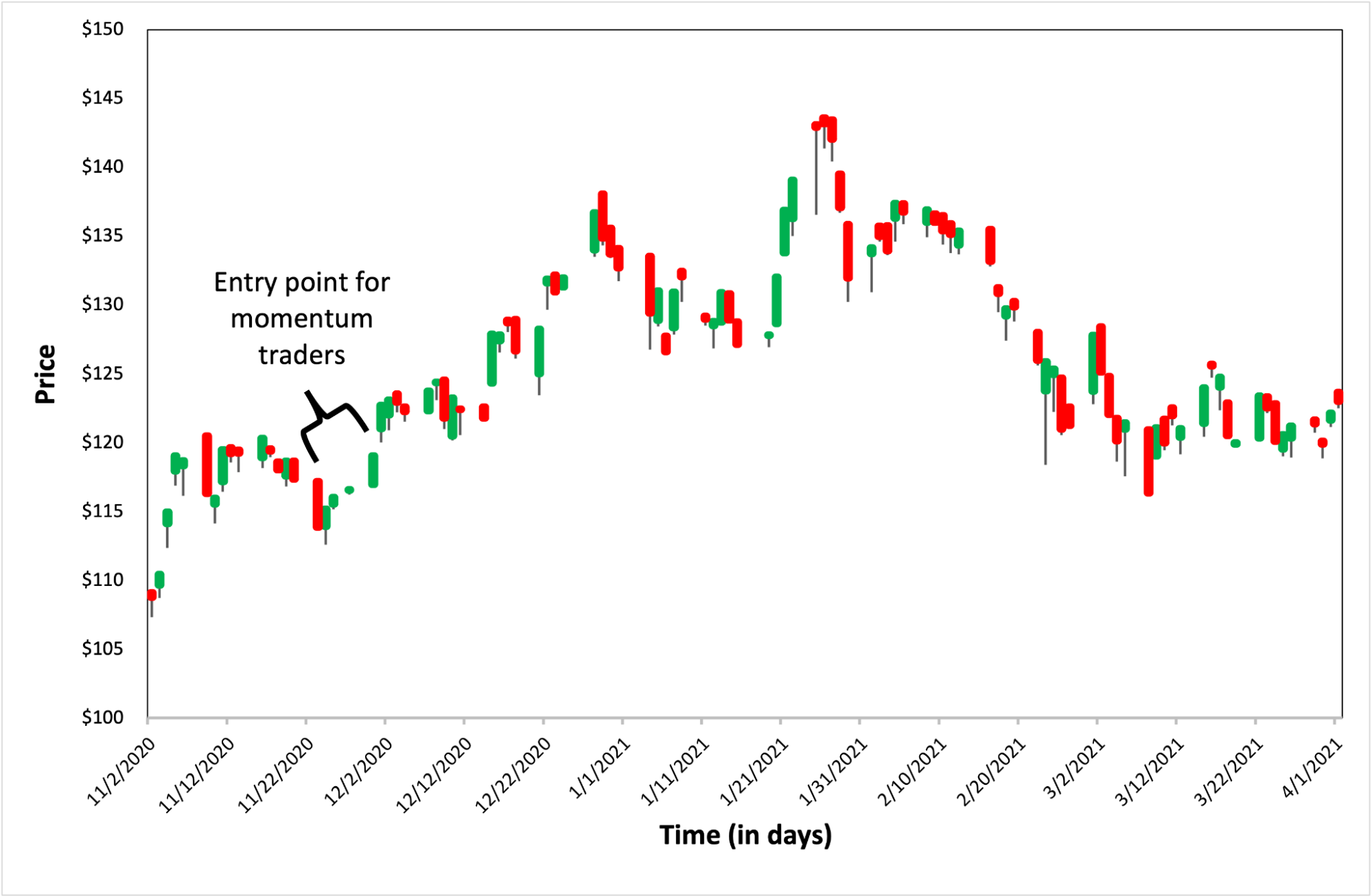
Momentum trading rides stocks that are moving hard on a catalyst. Classic momentum candidates show a sharp price surge (often 30%+), heavy volume and a smaller float. In 2026, names like PLTR, MARA and COIN frequently offer this kind of setup.
2. Scalping Strategy
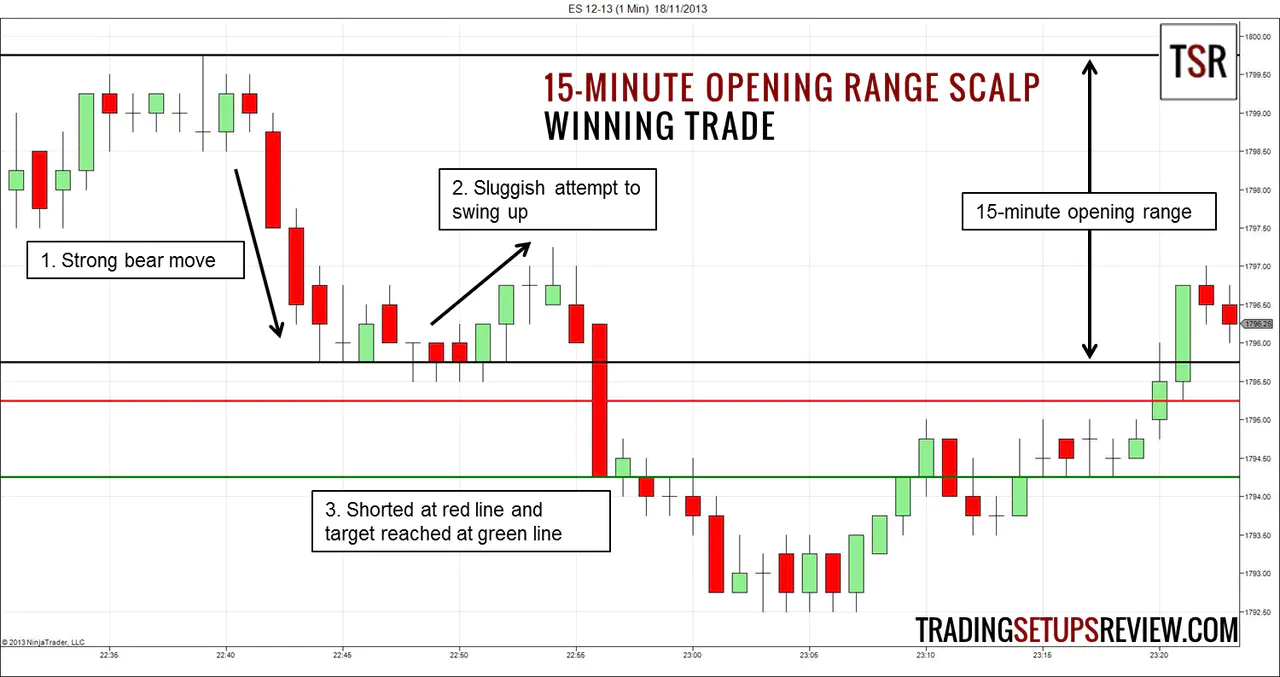
Credit: Trading Setup Review
Scalping is built on the idea that many small, frequent wins add up over a session. Scalpers set predefined buy and sell targets and execute trades quickly — sometimes within seconds. Liquid, tight-spread stocks like AAPL and NVDA suit this style. It’s best for confident traders who act without hesitation.
3. Pullback Trading Strategy
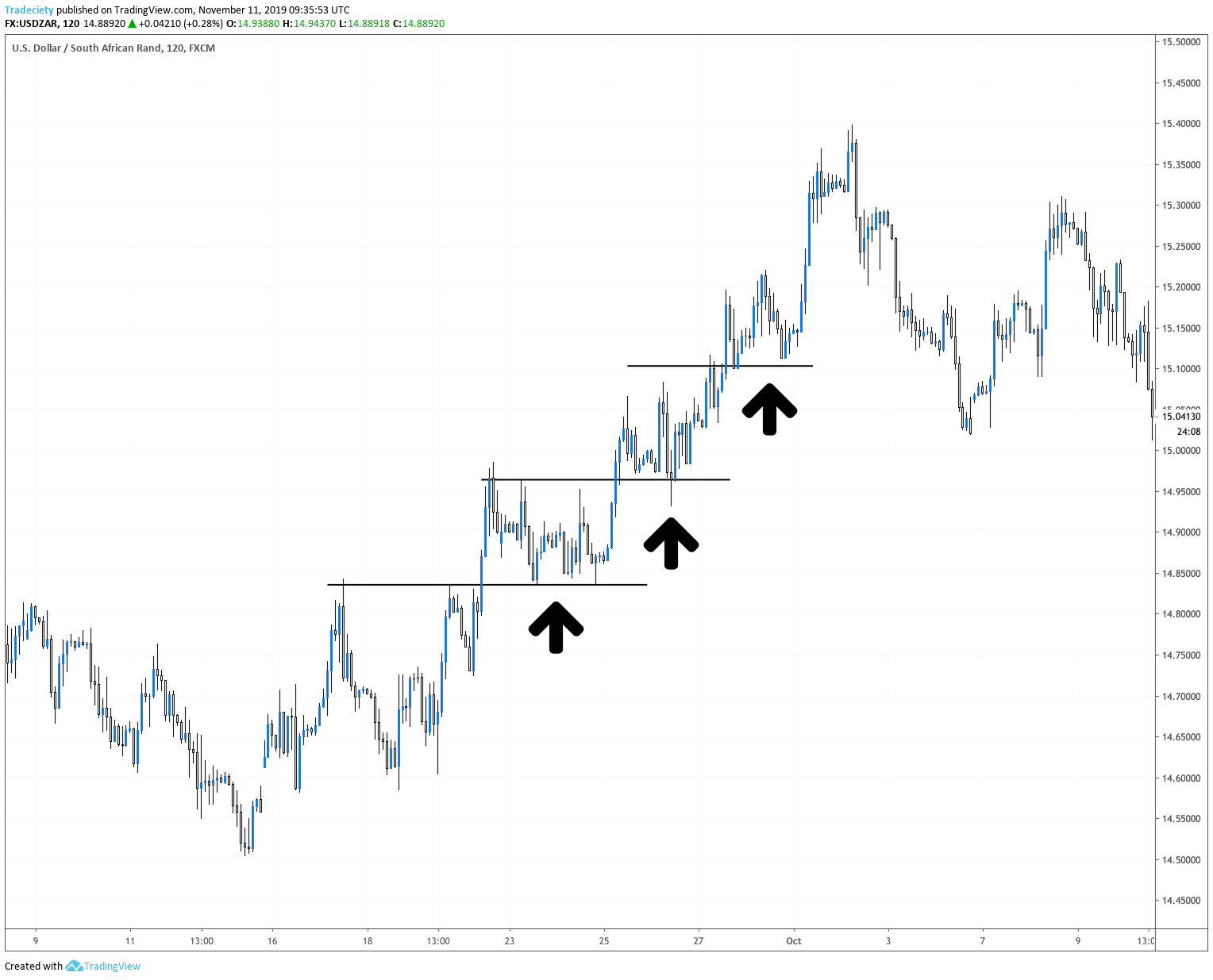
Credit: Tradeciety
Pullback trading starts with a stock in an established trend. Traders wait for a temporary price dip — a “pullback” — within that trend. In an uptrend, the pullback becomes a lower-risk entry point to join the move.
4. Breakout Trading
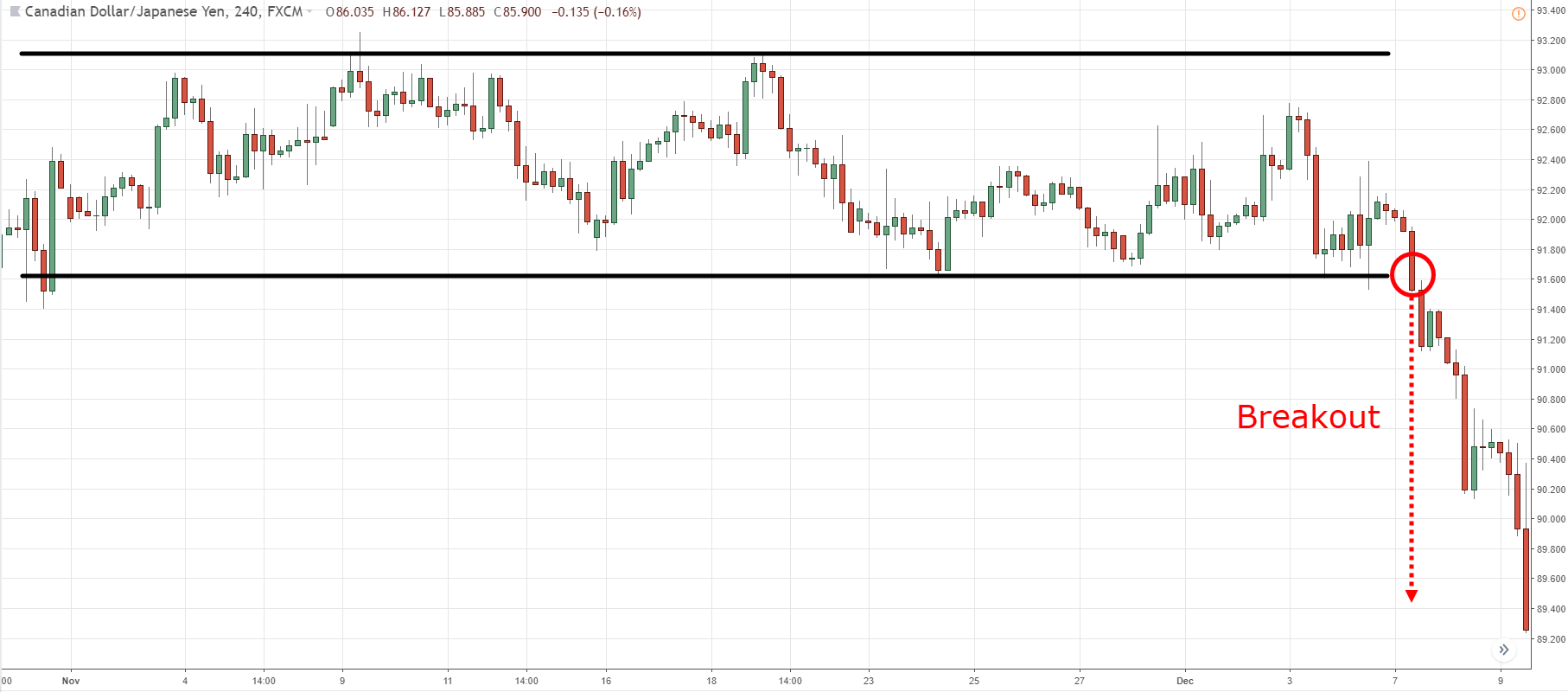
Breakout trading targets stocks pushing past a prior resistance level. Breakouts backed by high volume tend to hold and continue, while low-volume breakouts often fade back below resistance, making them harder to profit from. Confirming the move with volume is key.
5. News Trading
News trading harnesses the momentum from breaking headlines. There are two main approaches:
- On negative news, traders may short a stock — borrowing and selling shares, then buying them back lower to pocket the difference.
- On positive news, traders may go long — buying the stock and selling after the price rises.
Day Trading From Malaysia & Singapore: What to Know
You don’t need to be in the US to trade US stocks intraday. Here’s what MY and SG traders should keep in mind in 2026:
- Getting set up: Moomoo, Webull, Interactive Brokers and eToro all onboard Malaysian and Singaporean clients and give access to US markets. Compare fees, funding options and platform tools before committing.
- The US$25,000 PDT rule: It applies to US margin accounts, not cash accounts. Many MY/SG traders start with a cash account (trading only settled funds) to sidestep the four-trades-in-five-days restriction while they build capital.
- Currency conversion: You’ll convert MYR or SGD into USD to trade US names, so factor in FX spreads and any conversion fees — they eat into thin day-trading margins.
- Trading local stocks: If you prefer Bursa Malaysia, Intraday Short Selling (IDSS) is available on eligible counters, though local liquidity and volatility are lower than in US megacaps. The Singapore Exchange (SGX) offers similar intraday access.
- Time zones: The US session runs overnight in Malaysian/Singapore time (roughly 9:30pm–4:00am MYT/SGT), so plan your schedule and avoid trading while exhausted.
Final Thoughts
If day trading appeals to you, start by researching the stocks in this guide, then paper-trade a single strategy — scalping, momentum, pullbacks or breakouts — until it’s second nature before risking real money. The traders who last are the ones who treat risk management as the job and profits as the by-product.
Remember that day trading is not for the risk-averse: it carries a real chance of substantial losses in a short time, and most participants lose money. All prices, market caps and 52-week ranges in this article were verified in July 2026 and will move — always confirm live quotes with your broker before trading. With diligent research, strict discipline and only capital you can afford to lose, you can give yourself a fighting chance.
Read also: 10 Best Cash App Stocks to Buy & Forex Line Trading: Expert Tips for Finding High-Yield Opportunities
Frequently Asked Questions
*General Advisory Disclaimer:
This article is provided by Kayatoday for general information only and does not constitute financial advice. It does not take into account your specific objectives, financial situation or needs. Day trading carries a high risk of loss. Before acting on any information here, assess its suitability for your circumstances and, where appropriate, consult a licensed financial professional.