Becoming a YouTube content creator is still one of the most accessible creative careers you can start in 2026 — but the camera market has shifted a lot since this guide first went live. Purpose-built vlogging cameras, pocket gimbal cameras, and AI-driven autofocus have made “beginner-friendly” mean something better than it used to. If you’re deciding which camera to buy to start your channel, or upgrading to sharpen your video quality, this refreshed list will help you choose with confidence.
- What’s Changed for YouTube Cameras in 2026
- Understanding the Specs Before Choosing Your Best YouTube Camera
- Resolution
- Frame Rate
- Sensor Size
- Autofocus
- Stabilization
- How to Choose in Under a Minute
- The 2026 Shortlist: What Most New Creators Are Buying
- 5 Best YouTube Cameras for Beginners
- 1. Sony Alpha a5100
- 2. Canon EOS R100
- 3. Panasonic LUMIX ZS100
- 4. Canon PowerShot G7 X Mark II
- 5. Sony ZV-1F
- 5 Best YouTube Cameras for Vlogging
- 1. Fujifilm X-T4
- 2. Sony Alpha 7C
- 3. Panasonic Lumix S5
- 4. Panasonic LUMIX GH6
- 5. Sony Alpha 6700
- 5 Best YouTube Cameras for Cinematic Shooting
- 1. Canon EOS R6 Mark II
- 2. Sony Alpha 7S III
- 3. Canon EOS C70
- 4. Sony FX30
- 5. Sony FX3
- A Worked Example: Building a Starter Setup for RM2,000–RM3,000
- Beginner Mistakes to Avoid
- Become a Content Creator Now with the Best YouTube Camera
- Frequently Asked Questions (FAQs)
Below you’ll find 15 proven YouTube cameras split into three tiers — beginners, vlogging, and cinematic — plus a 2026 shortlist of the models most creators are actually buying right now, a simple framework for choosing, a worked budget example, and the beginner mistakes to avoid.
[su_box title=”Key Takeaways” box_color=”#000877″ title_color=”#ffffff” radius=”6″]
1. To choose the best YouTube camera, weigh five things: resolution, frame rate, sensor size, autofocus, and in-body/electronic stabilization — not just megapixels.
2. This guide splits cameras into 3 tiers for different creators: beginners, vloggers, and cinematic professionals.
3. For most people starting out in 2026, a dedicated vlogging camera like the Sony ZV-E10 II or a pocket gimbal camera like the DJI Osmo Pocket 3 gives the fastest path to clean, stabilized footage. If you already own a recent phone, start there before spending anything.
[/su_box]
What’s Changed for YouTube Cameras in 2026
If you last shopped for a camera two or three years ago, three things are different now. First, dedicated vlogging bodies (Sony ZV series, Canon EOS R50, Nikon Z30) have replaced generic entry mirrorless cameras as the smart beginner buy — they add flip screens, product-showcase focus, and better mics out of the box. Second, pocket gimbal cameras like the DJI Osmo Pocket 3 now deliver stabilized 4K in a device that fits in a jacket pocket, which is why so many new creators skip a “real” camera entirely. Third, US pricing has become volatile — tariffs pushed several 2024-era launch prices up in 2025–2026, so always confirm the live price before you buy.
A few older favourites on this list (the Sony a5100, Fujifilm X-T4, Sony a7C, Panasonic ZS100) are now discontinued and best found used or refurbished. They’re still capable — we’ve flagged each and pointed to its current successor so you can decide between saving money used or buying new.
Understanding the Specs Before Choosing Your Best YouTube Camera
Resolution
Resolution is the number of pixels the sensor records. Higher-resolution video (4K vs 1080p) looks sharper and gives you room to crop or reframe in editing, at the cost of larger files. For YouTube in 2026, 4K is the sensible baseline — even if you export in 1080p, shooting 4K gives cleaner results and future-proofs your library.
Frame Rate
Frame rate is how many frames the camera captures per second (fps). 24–30fps suits talking-head and vlog footage; 60fps gives smoother motion and lets you slow clips down; 120fps and above unlock dramatic slow motion. More frames need more light and storage.
Sensor Size
Larger sensors gather more light, so they perform better in dim rooms and produce that blurred, cinematic background. A full-frame sensor beats APS-C, which beats the 1-inch and Micro Four Thirds sensors in low light — but bigger sensors mean bigger, pricier bodies and lenses. For most YouTubers, APS-C is the sweet spot of quality, size, and price.
Autofocus
This is the spec that separates a frustrating camera from an effortless one. Modern face- and eye-tracking autofocus (Sony Real-time Tracking, Canon Dual Pixel CMOS AF, Nikon’s subject detection) keeps you sharp when you move, lean in, or step out of frame — essential when you’re filming yourself with no one behind the camera. Weak autofocus is the single most common reason beginners’ footage looks soft.
Stabilization
In-body image stabilization (IBIS) or a built-in gimbal smooths out handheld shake. If you vlog while walking, prioritise this — it’s the difference between watchable footage and a seasick viewer. Pocket gimbal cameras (DJI Osmo Pocket 3) mechanically stabilise every shot; most mirrorless bodies rely on IBIS plus electronic stabilization.
How to Choose in Under a Minute
Match the camera to how you’ll film, not just the spec sheet:
- Mostly talking to camera at a desk? Autofocus and a flip screen matter most — a vlogging body like the Sony ZV-E10 II or Canon EOS R50 is ideal.
- Filming on the move / travel vlogs? Prioritise stabilization and pocketability — the DJI Osmo Pocket 3 or a GoPro Hero 13 Black.
- Low-light rooms, cinematic look, background blur? Go bigger sensor — APS-C or full-frame with a fast lens.
- On a tight budget or already own a good phone? Start with the phone plus a mic and light; upgrade once your content, not your gear, is the limiting factor.
The 2026 Shortlist: What Most New Creators Are Buying
Before the full tier-by-tier lists, here are the current, in-production models most reviewers and creators recommend right now, with typical US street prices (verified July 2026 — always confirm before buying):
| Camera | Best for | Typical price (USD) | Why it’s a 2026 pick |
|---|---|---|---|
| DJI Osmo Pocket 3 | Travel & run-and-gun vlogs | ~$519–$799 | Built-in 3-axis gimbal, stabilized 4K/120, pocketable; price swings with tariffs/deals |
| Sony ZV-E10 II | YouTube image quality | ~$999 (body) | 26MP APS-C, excellent Real-time autofocus, interchangeable lenses |
| Canon EOS R50 | Lifestyle creators | ~$680 (body) | Compact, class-leading Dual Pixel AF, easy menus |
| Nikon Z30 | Beginners on a budget | ~$600–$710 (body) | Light APS-C body, tally lamp, great value in 2026 |
| Sony ZV-1F | Cheapest true vlog camera | ~$500 | Fixed wide lens, 1-inch-class sensor, tiny; no zoom |
| GoPro Hero 13 Black | Action & POV footage | ~$399 | Waterproof, 5.3K, unbeatable stabilization for sports |
Prefer a smaller point-and-shoot? See our companion guide to the best compact cameras for beginners, or if you want dedicated video machines, the best video cameras for beginners.
5 Best YouTube Cameras for Beginners
These five keep things simple, affordable, and quick to learn. Prices below are approximate 2026 figures; discontinued models (noted) are best bought used or refurbished.
| Camera | Price ($/USD) | Resolution | Frame Rate (fps) | Sensor Size |
|---|---|---|---|---|
| Sony Alpha a5100 | ~350 (used) | 1080p | 24, 60 | 23.5 mm x 15.6 mm |
| Canon Eos R100 | ~479 | 1080p | Up to 60 | 22.3 mm x 14.9 mm |
| 4k | Up to 24 | |||
| Panasonic LUMIX ZS100 | ~500 (used) | 1080p | Up to 60 | 13.2 mm x 8.8 mm |
| 4K | Up to 30 | |||
| Canon Powershot G7 X Mark II | ~550 (used) | 1080p | 60, 30, 24 | 13.2mm x 8.8 mm |
| Sony ZV-1F | ~500 | 1080p | 24, 30, 60, 120 | 13.2 mm x 8.8 mm |
| 4K24, 30 |
1. Sony Alpha a5100
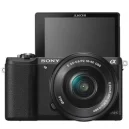
The Sony Alpha a5100 is a small, lightweight APS-C camera that long served as a great budget starter. Note for 2026: it’s discontinued, so buy it used (typically around $300–$400). If you want a new equivalent, look at the Sony ZV-E10 II or Nikon Z30.
Here’s why the a5100 still makes decent YouTube footage:
- Excellent image and video quality: The 24.3MP APS-C sensor and 1080p/60fps video look sharp even on a large screen.
- Self-recording made simple: The 180-degree flip-up touchscreen lets you record yourself from any angle — ideal for vlogs and tutorials.
- Creative filters and video modes: A range of modes and filters give your videos a distinctive look.
- Quick sharing: Built-in Wi-Fi and NFC make transferring and posting fast.
The a5100 is a fine used bargain, but its dated autofocus and lack of 4K are why newer beginners should compare it against the ZV-E10 II below.
2. Canon EOS R100
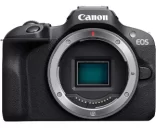
The Canon EOS R100 is Canon’s most affordable RF-mount mirrorless camera (around $479 with a kit lens in 2026), making it a genuine budget entry point into Canon’s ecosystem.
Key features for YouTube:
- Dual Pixel CMOS AF: Detects faces and tracks subjects reliably, even in dimmer rooms.
- 4K video recording: Captures 4K, though note it’s cropped and drops to 24fps — 1080p/60 is the smoother everyday choice on this body.
- Small and light: Easy to carry everywhere.
- User-friendly interface: Approachable menus for first-time users.
2026 tip: if your budget stretches a little further, the Canon EOS R50 (~$680 body) adds an articulating screen and uncropped 4K/30 and is the better long-term vlogging buy.
3. Panasonic LUMIX ZS100
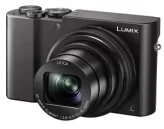
The Panasonic LUMIX ZS100 is a 1-inch-sensor travel compact with a versatile zoom. Note for 2026: it’s discontinued — expect around $500 used. It suits creators who want zoom reach in a pocketable body.
What still impresses:
- Sharp 4K: 4K/30 recording delivers detailed footage for travel and B-roll.
- Reliable autofocus: Depth-from-Defocus AF locks focus quickly.
- 5-axis hybrid stabilization: Smooths handheld shots.
- 4K Photo extraction: Pull high-res stills from 4K clips.
- Beginner-friendly, compact design: Simple menus in a bag-friendly body.
Its small 1-inch sensor limits low-light performance, so if you often film indoors, an APS-C body will serve you better.
4. Canon PowerShot G7 X Mark II
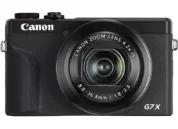
The Canon PowerShot G7 X Mark II was the classic YouTuber compact. Note for 2026: it’s discontinued (around $550 used); the G7 X Mark III — which adds 4K and a mic input — is the current successor if you want to buy new.
Why it earned its reputation:
- Slow-motion Full HD: 120fps 1080p for dramatic slow clips.
- Flip-up touchscreen: Frame yourself easily while vlogging.
- Simple controls: Straightforward menus keep you focused on filming.
- Compact and portable: Slips into a pocket.
- Built-in mic: Decent audio without extra gear (though the Mark II lacks a mic input).
5. Sony ZV-1F
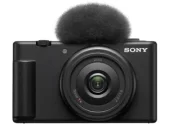
The Sony ZV-1F remains one of the best true budget vlog cameras you can buy new in 2026 (around $500, often on sale near $498). It’s purpose-built for talking-to-camera content with a fixed 20mm-equivalent wide lens.
Standout features:
- Vlog-first design: Fixed wide lens keeps you and your background in frame at arm’s length — no zoom, by design.
- Face Priority AE & skin tone: Automatically keeps your face well-exposed and natural-looking.
- Product Showcase mode: Snaps focus from your face to an item you hold up — perfect for reviews and unboxings.
- Background Defocus button: One-touch blurred background for a cinematic look.
- Directional mic: Cleaner audio and a bundled windscreen for outdoor shooting.
If you’ll never need to swap lenses and want the simplest new vlog camera, the ZV-1F is our top budget pick. Want interchangeable lenses for the same money-ish? Jump to the ZV-E10 II in the shortlist above.
5 Best YouTube Cameras for Vlogging
Step up to interchangeable lenses, larger sensors, and stronger stabilization. Prices are approximate launch/2026 figures — several models here have newer successors, noted below.
| Camera | Price ($/USD) | Resolution | Frame Rate (fps) | Sensor Size |
|---|---|---|---|---|
| Fujifilm X-T4 | ~1,400 (used) | 1080p | 240, 120, 100, 60, 50, 30, 25, or 24 | 23.5mm x 15.6mm |
| 4K | 60, 50, 30, 25, or 24 | |||
| DCI 4K | 60, 50, 30, 25, or 24 | |||
| Sony Alpha 7C | ~1,500 (used) | 1080p | 120, 60, 30, or 24 | 35.6mm x 23.8mm |
| 4k | 30 or 24 | |||
| Panasonic Lumix S5 | ~1,700 | 1080p | Up to 180 | 35.6 mm x 23.8 mm |
| 4K | Up to 60 | |||
| 6K | Up to 30 | |||
| Panasonic LUMIX GH6 | ~1,700 | 1080p | 24, 25, 30, 50, 60, 120 | 17.3 mm x 13 mm |
| 4K | 24, 25, 30, 50, 60 | |||
| 5.7K | 24, 25, 30 | |||
| Sony Alpha 6700 | ~1,400 | 1080p | 24, 30, 60, 120 | 23.5 x 15.6 mm |
| 4K | 24, 30, 60, 120 |
1. Fujifilm X-T4
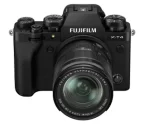
The Fujifilm X-T4 is a superb hybrid stills/video APS-C camera loved for its film-simulation colours. Note for 2026: it’s been replaced by the Fujifilm X-T5, so the X-T4 is now a strong used buy (around $1,400).
- Outstanding image quality: 26.1MP APS-C sensor with gorgeous film simulations (classic, cinematic, portrait) straight out of camera.
- In-body image stabilization: Reduces shake for smoother handheld vlogs.
- Flip-out touchscreen: Vari-angle screen makes self-recording easy.
- High-quality audio: Built-in stereo mic plus a 3.5mm input for an external mic.
If you love in-camera colour and want to minimise editing, the X-T4 (or newer X-T5) is a joy to shoot.
2. Sony Alpha 7C
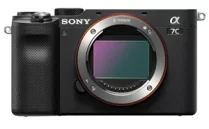
The original Sony Alpha 7C packed a full-frame sensor into a compact body — a big deal for low-light vlogging. Note for 2026: it’s superseded by the Sony a7C II (better AF and 33MP); the original is now around $1,500 used.
- Full-frame sensor: Exceptional low-light quality for dim pubs, restaurants and evening shoots.
- Flip-out touchscreen: See yourself while filming and confirm framing.
- Real-time Eye AF & Tracking AF: Keeps your face sharp as you move.
- Compact, stabilised body: In-body stabilization plus a travel-friendly size.
3. Panasonic Lumix S5
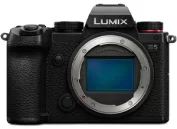
The Panasonic Lumix S5 is a full-frame value champion for creators who want professional-looking footage. Its successor, the S5 II, adds phase-detect autofocus and is worth comparing if you buy new.
- Full-frame sensor: Great low-light performance and shallow depth of field.
- 5-axis IBIS: Steady handheld footage.
- 4K/60 video: Flexible editing and slow motion.
- Vari-angle touchscreen: Easy framing for vlogs.
- Strong audio & battery life: Built-in mic, external mic input, and long shooting sessions.
4. Panasonic LUMIX GH6
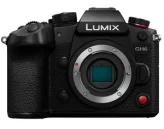
The Panasonic LUMIX GH6 is a video-first Micro Four Thirds powerhouse for creators who want maximum recording flexibility.
- 5.7K/60 recording: Huge flexibility to crop or slow footage without losing resolution.
- V-Log and HLG: Professional colour profiles for grading.
- Extensive video tools: Unlimited recording times and pro-level assist features.
- Vari-angle touchscreen: Change settings and monitor in real time.
- Compact MFT system: Smaller, lighter lenses than full-frame.
5. Sony Alpha 6700
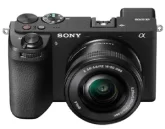
The Sony Alpha 6700 (around $1,400 in 2026) is Sony’s flagship APS-C body and a superb all-rounder for serious vloggers who want stills quality too.
- 24.2MP APS-C sensor: Broad dynamic range with excellent detail in highlights and shadows.
- AI-based autofocus: Advanced subject recognition tracks your face and eyes as you move.
- 4K up to 120fps: Sharp everyday video plus high-frame-rate slow motion.
- Vari-angle touchscreen & IBIS: Easy self-framing and stabilised handheld footage.
- Mic input & creative modes: External audio plus time-lapse and slow-motion tools.
5 Best YouTube Cameras for Cinematic Shooting
For creators chasing a filmic look, these bodies offer log profiles, superb dynamic range, and professional codecs. Prices are approximate 2026 figures.
| Camera | Price ($/USD) | Resolution | Frame Rate (fps) | Sensor Size |
|---|---|---|---|---|
| Canon EOS R6 Mark II | ~2,499 | 1080p | 180, 150, 100, 120 | 35.9 x 23.9 mm |
| 4K | 60, 50, 30, 25, 24 | |||
| 6K (oversampled) | Up to 60 | |||
| Sony Alpha 7S III | ~3,499 | 1080p | 240, 120, 60, 30, 24 | 35.6 x 23.8 mm |
| 4K | 120, 60, 30, 24 | |||
| Canon EOS C70 | ~4,299 | 1080p | Up to 180 | 26.2 x 13.8 mm |
| 4k | Up to 120 | |||
| 2K | Up to 180 | |||
| Sony FX30 | ~1,799 | 1080p | 24, 25, 30, 50, 60, 100, 120, 240 | 23.6 x 13.3 mm |
| 4k | 24, 25, 30, 50, 60, 100, 120 | |||
| Sony FX3 | ~3,899 | 1080p | 24, 30, 60, 100, 120, 240 | 35.6 x 23.8 mm |
| 4K | 24, 30, 60, 100, 120 | |||
| Cinema 4K | 24, 25, 30 |
1. Canon EOS R6 Mark II
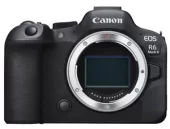
The Canon EOS R6 Mark II (around $2,499) is a favourite hybrid full-frame body for cinematic YouTube work. 2026 note: Canon has since launched the R6 Mark III, so the Mark II is now often discounted — great value.
- Full-frame sensor: Shallow depth of field and wide dynamic range for a filmic look.
- 4K/60 (oversampled): Detailed footage with editing headroom.
- Canon Log 3: Flexible colour grading for a custom style.
- Dual Pixel CMOS AF II: Fast, accurate focus even in low light.
- IBIS & vari-angle screen: Steady handheld shots and flexible angles.
- Huge RF lens selection: Access to Canon’s growing lens lineup.
2. Sony Alpha 7S III
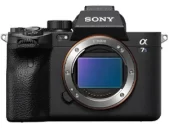
The Sony Alpha 7S III (around $3,499) is a low-light legend built for video-first creators.
- Full-frame 12MP sensor: Optimised for extreme low-light performance and clean high ISO.
- 4K up to 120fps: Beautiful slow motion without a quality penalty.
- S-Cinetone & S-Log3: Natural colour out of camera or full grading control.
- Fast, reliable autofocus: Keeps moving subjects sharp.
- Fully articulating screen: Ideal for solo shooting.
3. Canon EOS C70
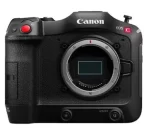
The Canon EOS C70 (around $4,299) is the most cinema-focused body on this list — a Cinema EOS camera in a compact form.
- Super 35mm sensor: Wide dynamic range and a shallow, cinematic depth of field.
- Dual Pixel CMOS AF: Fast, dependable autofocus.
- Canon Log 3: Extensive grading latitude.
- Built-in ND filters: Adjust exposure without swapping filters.
- 4K up to 120fps & multiple codecs: XF-AVC, MP4 and more for flexible post.
- Compact, handleable body: Cinema features you can actually carry.
4. Sony FX30
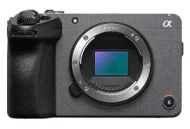
The Sony FX30 (around $1,799 body) is the best-value entry into Sony’s Cinema Line and a favourite of indie filmmakers — reviewers often call it “90% of the FX3 at half the price.” Note it uses an APS-C (Super 35) sensor, not full-frame.
- Super 35 sensor: Cinematic depth of field with strong dynamic range.
- S-Cinetone & S-Log3: Cinema colour science shared with pricier Sony bodies.
- 4K up to 120fps: High-frame-rate slow motion.
- Cinema Line tools: Dedicated video interface, dual base ISO and pro audio via the handle.
- Compact E-mount body: Pairs with a huge lens range.
5. Sony FX3
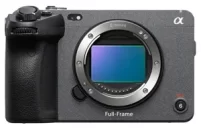
The Sony FX3 (around $3,899) is a full-frame Cinema Line camera that shares the 7S III’s low-light prowess in a run-and-gun body.
- Full-frame sensor: Excellent low light and shallow depth of field.
- S-Cinetone out of the box: Cinematic look with minimal grading.
- Wide dynamic range: Retains detail in highlights and shadows.
- Fast, precise autofocus: Tracks moving subjects reliably.
- Compact, gimbal-friendly design: Built for handheld and rig work.
- Strong thermal performance: Safe for long recording sessions.
A Worked Example: Building a Starter Setup for RM2,000–RM3,000
Say you’re a Malaysian or Singaporean creator with roughly RM2,000–RM3,000 (about USD 430–650) to start a talking-head or lifestyle channel. Here’s how we’d spend it in 2026:
- Camera (~70% of budget): A Sony ZV-1F (~RM2,300 / ~USD 500) new, or a used Sony a6400/a5100 if you want interchangeable lenses. The DJI Osmo Pocket 3 is the pick if you’ll film mostly out and about.
- Microphone (~15%): Audio matters more than resolution on YouTube. A budget lavalier or a small on-camera mic (RM150–RM400) instantly lifts perceived quality.
- Light (~10%): A single LED panel or ring light (RM80–RM250) fixes the biggest beginner problem: dim, flat footage.
- Storage & a spare battery (~5%): A fast SD card and one extra battery keep you shooting.
Notice the camera isn’t the whole budget. A mid-tier camera with good sound and lighting beats an expensive body filmed in a dark room with tinny audio every time.
Beginner Mistakes to Avoid
- Overspending on the body, underspending on sound. Viewers forgive average video far more readily than bad audio. Budget for a mic from day one.
- Ignoring autofocus and stabilization. These two specs decide how much footage you can actually use. Don’t chase megapixels at their expense.
- Buying more camera than you’ll grow into. A cinema camera won’t make a new channel succeed; consistency and editing will. Start affordable and upgrade when gear is genuinely your bottleneck.
- Forgetting the lens and accessories. Interchangeable-lens cameras often ship body-only — factor in a lens, plus a card, battery and light.
- Not checking the live price. With 2026 tariff swings, the same model can vary by hundreds of dollars between retailers and weeks. Compare before buying.
Become a Content Creator Now with the Best YouTube Camera
The “best” YouTube camera is the one that matches how you film and fits your budget — not the priciest body on the list. For most people starting out in 2026, a dedicated vlogging camera like the Sony ZV-E10 II or a stabilised pocket camera like the DJI Osmo Pocket 3 gets you clean, watchable footage fastest. If money is tight, the Sony ZV-1F or a good phone plus a mic and light is a perfectly professional start.
Take your time, match the camera to your workflow, and remember that great content — not expensive gear — is what grows a channel.
Read more: 10 Best Compact Cameras for Beginners: Portable & Lightweight | Top 10 Mirrorless Cameras for Beginners | The Best Camera for Beginners
Prices and specifications verified July 2026 from manufacturer and major retailer listings (B&H, Amazon, Best Buy). US pricing is volatile in 2026 due to tariffs, and discontinued models are quoted at typical used-market prices — always confirm the current price and availability with the retailer before purchasing. For authoritative hands-on testing, see independent reviews such as DPReview and Digital Camera World.
Frequently Asked Questions (FAQs)
Disclaimer: This guide is provided by KayaToday for general informational purposes only and does not constitute purchasing or financial advice. Camera prices, specifications and availability change frequently — verify all details with the manufacturer or an authorised retailer before making a purchase.